Joan Subirats, do you feel European? If so, why?
“Yes, I do feel European. Historically, Europe has been my cultural framework of values, so I have always felt European. At a certain point in time, I saw Europe as a way to escape Francoist Spain, so throughout my youth — up until 1975 — being European meant being a step ahead of what Francoist Spain represented. I have never felt anti-European; on the contrary, Europe has always been a beacon of progress and freedom for those born in Spain in the 1950s.
Over the last twenty years, things have clearly changed, and you may or may not agree with what Europe has become — but for someone of my generation, and also as a Catalan, being European was a way of not being Francoist-Spanish.”
Joan, you were a professor, therefore in contact with younger generations. What do you observe regarding their sense of European identity? Do they feel European?
“The Erasmus programme is 35 years old. Over that time, 14 million European students have taken part in it. That project costs very little, but creates meaningful bonds
. There is a remarkable statistic that is almost scientific evidence of this: one and a half million children have been born to couples who met during the Erasmus programme. I have three children myself. My eldest met her partner in Florence, and they have three children — although Brexit made them slightly less European. Anyway, all my daughters have lived in France, England, Italy and Sweden, and this is a natural scenario for them
— it’s Europe.”
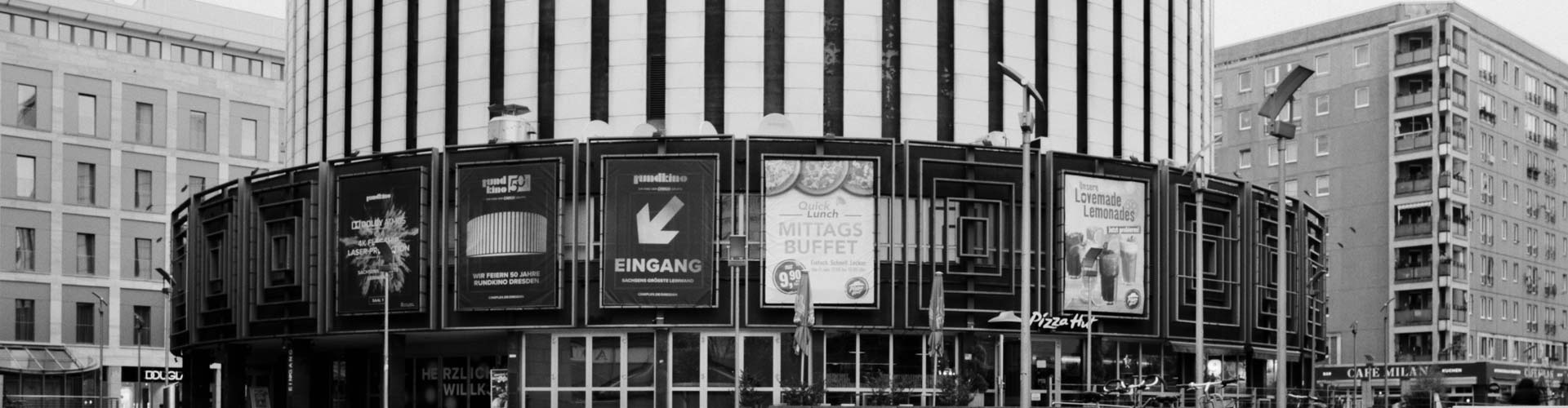
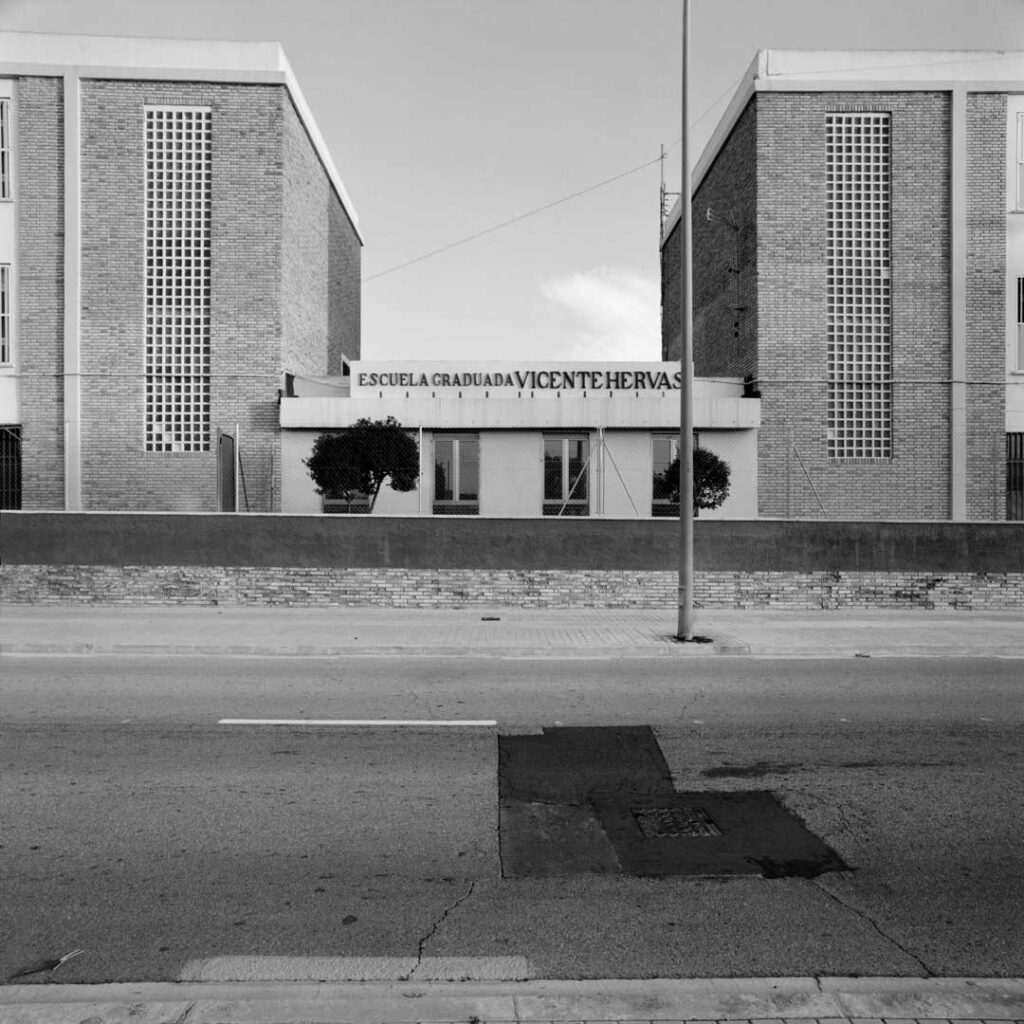
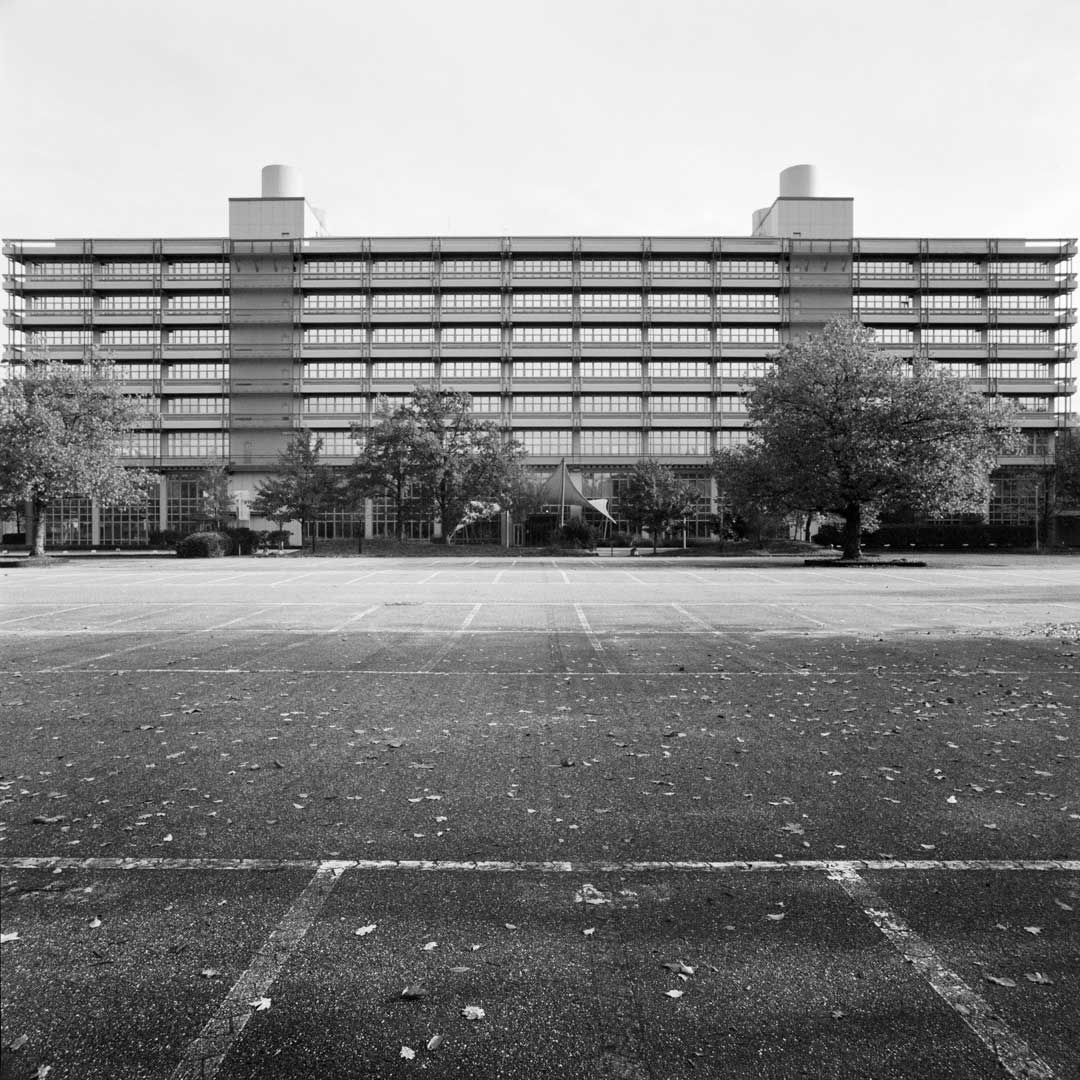
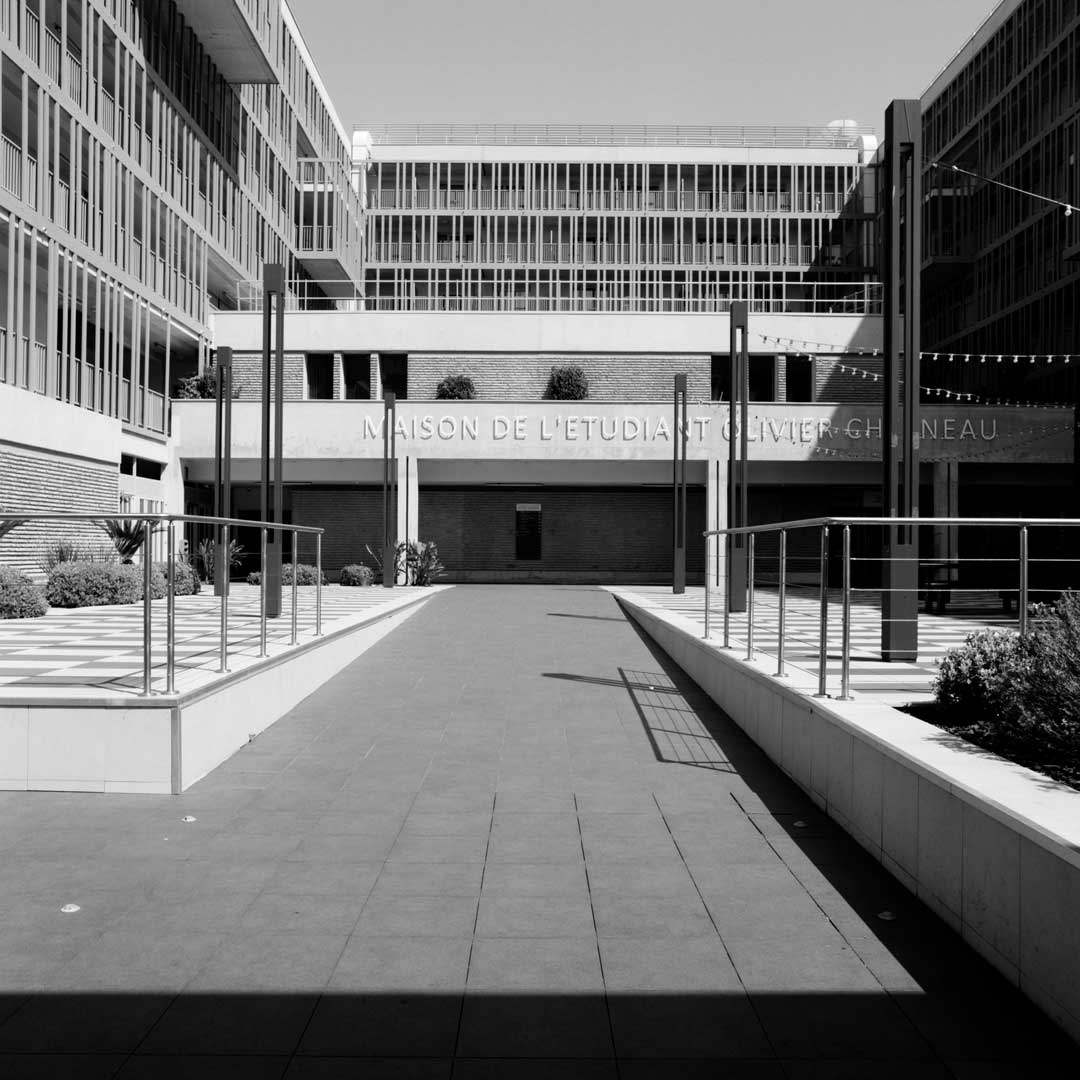
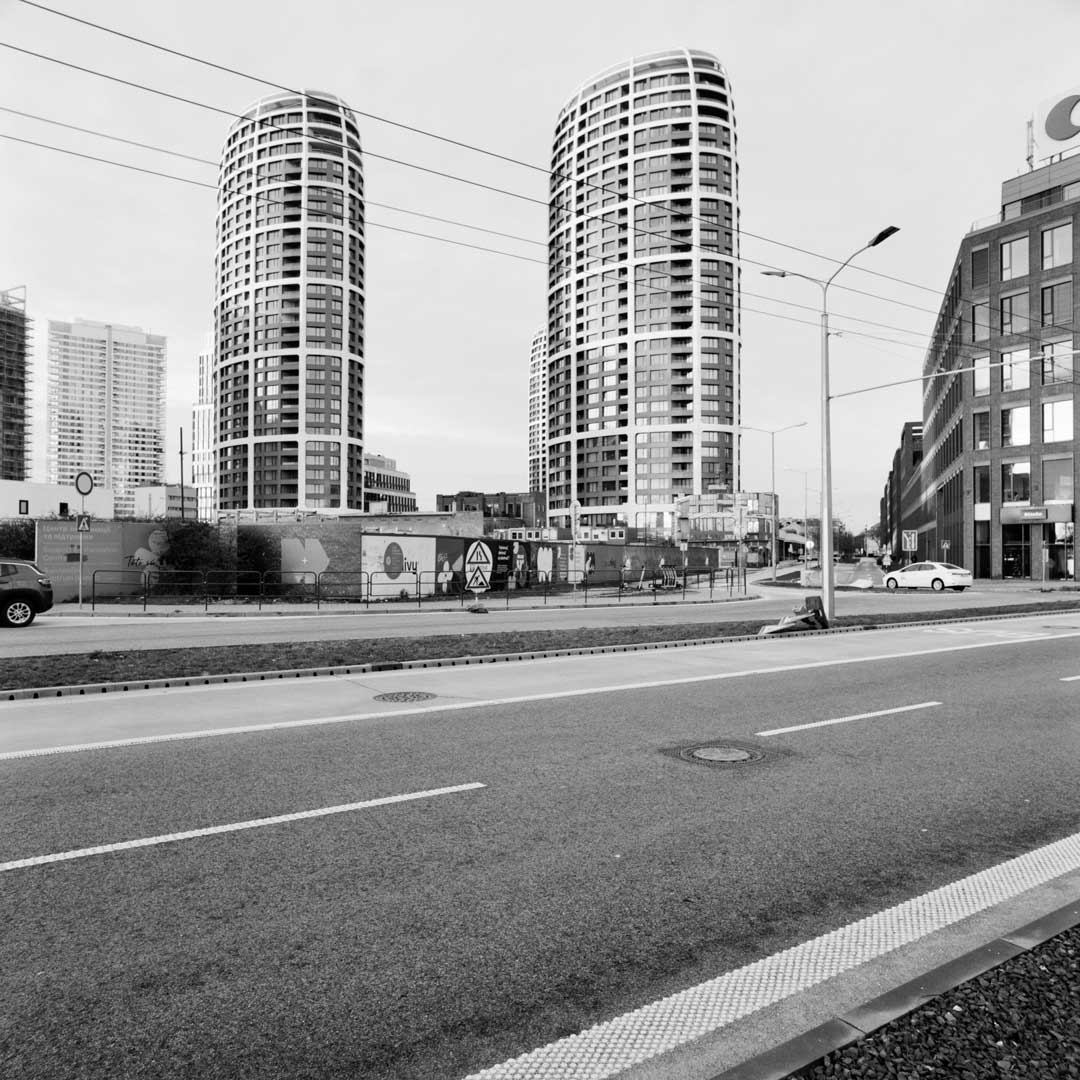
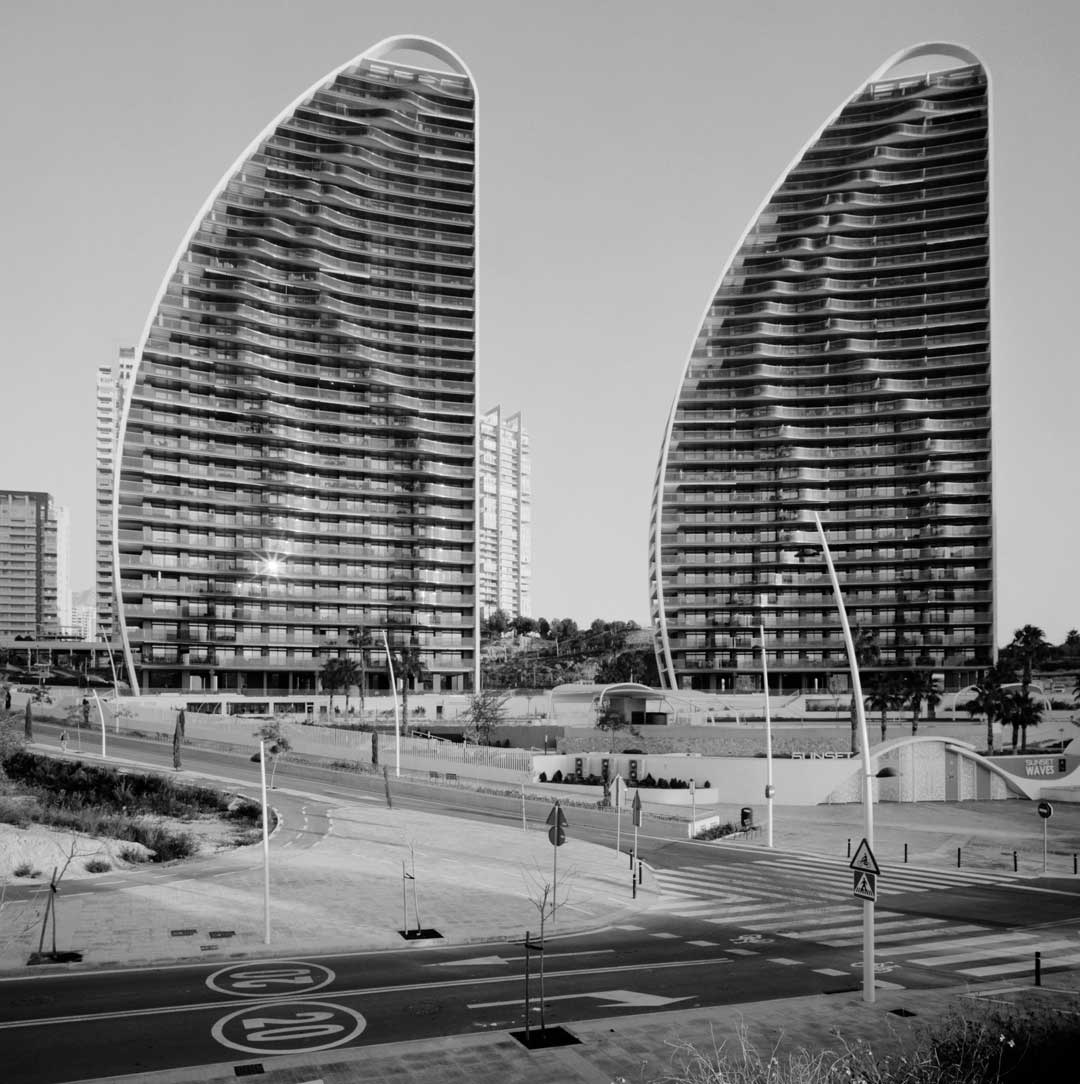
Photographer Manuel Cicchetti once told me, “I left looking for differences, and I ended up joining the dots.” He said he came across common traits, both architecturally and socially — the roots. Do you agree with his take?
“My wife and I have travelled extensively across Europe. She’s an architect, which has its advantages and disadvantages when travelling, depending on the day — we can’t go to Vienna and simply see the touristy areas; we must visit the buildings designed by Adolf Loos. In Berlin, for example, it’s interesting to see the shift in the architecture from before and after the war, like the Nazi stadium associated with Leni Riefenstahl.
So yes, there are indeed important historical ties across Europe, and architecture is a big part of that
— think of Le Corbusier’s influence on German architecture, and to some extent British architecture, or Finnish architect Alvar Aalto designing a church in Italy, near Rome. So I believe that history and architecture make the foundation of very deep connections across Europe.”
From a cultural standpoint, there is something I think is worth discussing, and it’s the fact that there aren’t really any European newspapers. I would like to hear your opinion on it. There’s Politico.eu, based in Brussels, but other than that, newspapers are still very much tied to national politics.
“That also reminds me of the Esperanto experiment from many years ago — but we gave up on that. Anyway, this is an issue I’ve experienced firsthand as Spain’s Minister for Universities. Whenever I was in Brussels for work, I’d find the entire European press there, including Spanish journalists, but when I would come out of the Council of Ministers or any other meeting, they would ask me questions about current affairs in Spain.
I would try to talk about the meeting we just had, but the journalists would immediately shift the conversation back to national interests with questions such as, ‘What do you think of what the President of the Community of Madrid said? What do you think of what Pablo Iglesias said?’
I would usually try to object, replying, ‘Why don’t you ask me about European policy? The project we approved today is very important!’
However, they would usually explain that their editors were not interested in that, and it didn’t matter how much they tried to explain to them that a meeting of the Council of Heads of State might have been important.
So we live with this contradiction — the public sphere remains largely national and barely European. Things are changing now, but that’s mostly because with everything that’s going on with China, the United States, Trump and the war in Ukraine, European politics is getting more coverage. There is a network of newspapers that reference and follow each other — Le Monde, El País, The Guardian…”
There is also a political factor linked to the intrusion of capitalist techno-feudalism, which arrived from the other side of the Atlantic and is now spreading across Europe.
“Capitalism is uncomfortable with democracy. They have decided that it’s time to move forward without it, so that capitalism can be far more powerful, efficient and digital. It is a global problem — the great lords of digital capitalism have decided that democracy no longer serves their interests.”
The contrast between the local and international perspectives is indeed interesting. Considering your knowledge of municipalism and your experience as Councillor for Culture in Barcelona, how do you imagine Europe in the future? Would you like to see it become a federation?
“I believe it is the only option for Europe. It needs to strengthen its ties significantly, and the best way to do that is probably some form of federal system. It won’t be easy, considering that today, Europe seems like an unidentified political object.
Nobody quite knows what it is. A German professor, Vivien Schmidt, often says that Europe has policies without politics. Member states use Europe as a shield to justify unpopular policies. They say things like, ‘I didn’t want this, but Europe is forcing me.’ That’s a strange game, isn’t it?”
Unfortunately, European election campaigns all too often become nothing more than a reflection of national politics. Perhaps people don’t know much about what Europe actually does. And yet the Commission spends a lot of money.
“Yes, but if you look at the European Union’s budget as a proportion of the combined GDP of its member states, it’s around 2%, if that. The national budgets and public spending of individual member states are far more significant by comparison.
There is still a long way to go. But think about how much the European Union’s budget would increase if the contribution were raised to just 5% of the combined GDP of member states. It would make a huge difference.”
I’d like to close the interview by touching on the topic of immigration. As we know, some of those who try to reach Europe end up at the bottom of the Mediterranean Sea, unable to get past the fortress. Do you think the immigrants who arrive in our countries, bringing different cultures and identities, manage to connect with a European one? Or is the European identity itself being mixed and reshaped in the process?
“Let’s take a look at the big picture of global population change, fertility rates in European countries and increasing life expectancy. Spain alone, just to fund pensions, care for our elderly, and employ workers in restaurants, hotels and construction, would need half a million immigrants every year.
The same applies to almost every European country
— there isn’t really an alternative. The problem is that this will likely fuel further debate about nationalism and national identities.
If you support Marine Le Pen’s argument that France is like a house that can guarantee and protect the well-being of its inhabitants only if the door stays closed, then we have a problem. This argument is often used as a political tool to reinforce nationalist sentiments and ends up developing an almost racist tendency to see immigrants as a threat to national identity, which is a serious problem.
Right now, we can’t really say that Europe has a migration policy — it has a border policy, which is a very different thing. There is no organised migration policy. It was an interesting conversation.
We touched on some of the greatest challenges Europe is currently facing — geostrategic shifts, technological changes that are reshaping our daily lives and job markets, and the question of population and immigration.
Europe must take these challenges seriously and find solutions — urgently.”
Joan Subirats Humet, born 1951, is a Spanish sociologist, politician and professor at Universitat Autònoma de Barcelona. He served as Spain’s Minister for Universities from 2021 to 2023.